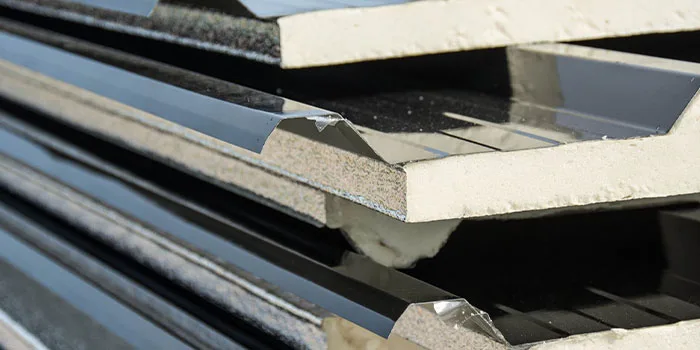
Closed Cell Foam
Closed Cell Polyurethane Foam is a high-performance insulation material widely used in construction, industrial insulation, and energy-efficient building systems. It is produced through a ch…
What is Closed Cell Foam
Closed Cell Polyurethane Foam is a high-performance insulation material widely used in construction, industrial insulation, and energy-efficient building systems. It is produced through a chemical reaction between polyol and isocyanate components, forming a rigid foam with a dense closed cell structure. Because the internal cells are sealed, the material provides strong thermal insulation, moisture resistance, and structural durability.
This type of polyurethane foam forms a continuous insulation layer after application and helps improve energy efficiency, temperature stability, and surface protection in many building systems.
Data Sheet and Sample
The technical data sheet and safety data sheet for this system are shared on request.
This type of polyurethane foam forms a continuous insulation layer after application and helps improve energy efficiency, temperature stability, and surface protection in many building systems.
What It Delivers
High thermal insulation performance with strong R-value per thickness
Low water absorption due to sealed cellular structure
Strong compressive strength and mechanical durability
Air barrier capability that reduces uncontrolled air leakage
Long service life with stable insulation performance
Excellent surface adhesion to concrete, metal, and wood surfaces
Condensation within insulation layers
Moisture damage to structural components
Closed Cell Structure and Insulation Performance
The defining feature of closed cell polyurethane foam insulation is its sealed cellular structure. Each cell remains isolated and filled with insulating gas, which significantly reduces heat transfer and air movement within the material.
Thanks to this structure, closed cell polyurethane foam provides high thermal efficiency even with relatively thin insulation layers. This makes it a preferred insulation solution in projects where both space efficiency and strong insulation performance are required.
Key Properties of Closed Cell Polyurethane Foam
Closed cell polyurethane foam offers several performance advantages that make it suitable for modern insulation systems.
These properties make the material highly effective in both building insulation and industrial insulation applications.
High thermal insulation performance with strong R-value per thickness
Low water absorption due to sealed cellular structure
Strong compressive strength and mechanical durability
Air barrier capability that reduces uncontrolled air leakage
Long service life with stable insulation performance
Excellent surface adhesion to concrete, metal, and wood surfaces
Moisture Resistance and Water Protection
Another important advantage of closed cell polyurethane foam is its low permeability to water and moisture. Because the cells remain sealed, water penetration into the insulation layer is significantly limited.
As a result, closed cell polyurethane foam is often used in applications where moisture resistance and environmental durability are important.
Condensation within insulation layers
Moisture damage to structural components
Mold or humidity-related surface problems
Energy Efficiency and Long-Term Performance
Energy efficiency is a major consideration in modern construction. Closed cell polyurethane foam insulation helps improve building performance by reducing heat transfer and limiting air leakage.
Because of these properties, closed cell polyurethane foam plays an important role in energy-efficient buildings and sustainable construction projects.
Stable insulation performance over time
Durability under varying environmental conditions
Reduced energy consumption in heating and cooling systems
Where It Is Used
Fills cracks, joints, and irregular gaps on surfaces
Creates a continuous insulation layer without seams
Reduces thermal bridges and energy loss
Adheres strongly to concrete, metal, wood, and composite materials





More from Construction & Insulation
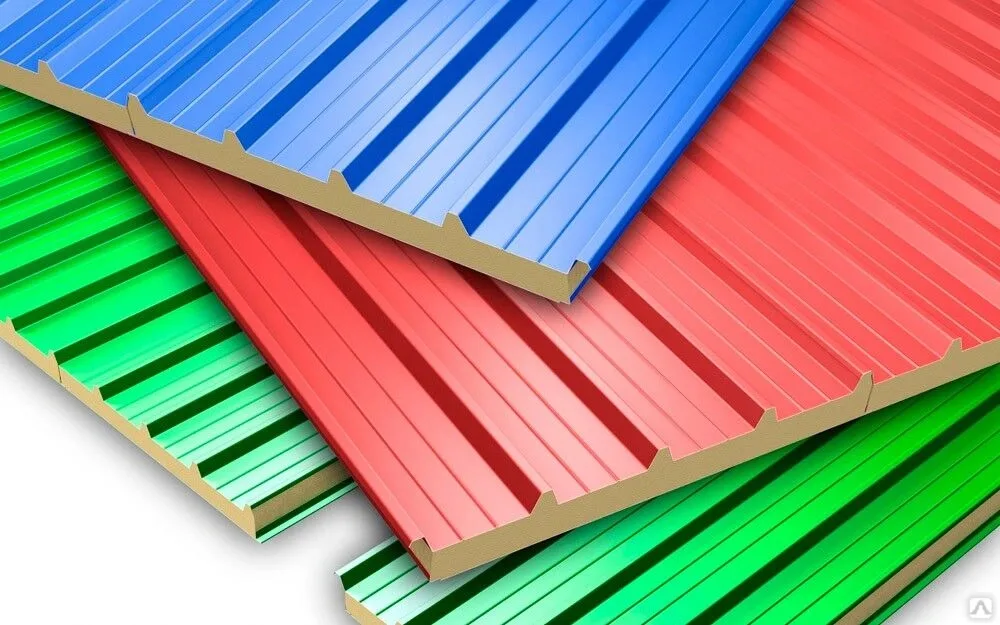
Sandwich Panel
At Pluskim, we provide the construction sector with energy-efficient, durable, and sustainable…
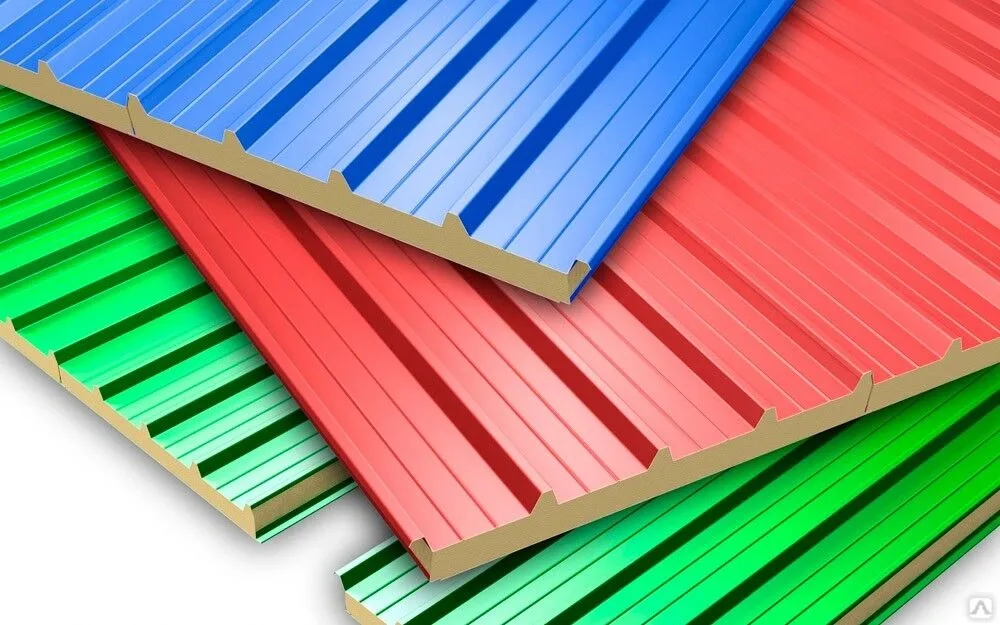
Continuous & Discontinuous Panel
Both methods are designed to ensure consistent and reliable application of the system, whether…
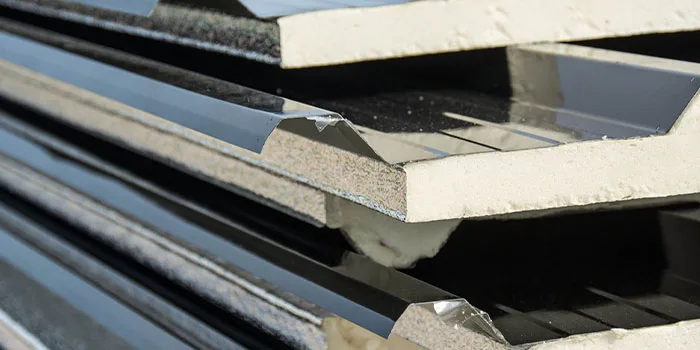
Continuous Line
Continuous polyurethane raw material is among advanced technology solutions developed to…
Let us specify the right system for your line
Tell us your application, line type and target density; our technical team will reply with a formulation proposal.