Esc closes

Raw Materials & Chemicals
Supply of polyols, isocyanates and auxiliary chemicals.
Polyols
In rigid foam systems, polyether polyols, which are used in block and sheet foam production, and saturated polyester polyols, which are widely utilized in applications such as foam, footwear, and elastomers, are classified based on their linear or different molecular structures.

Isocyanates
Isocyanates are one of the two main components that react with polyols to form polyurethane.
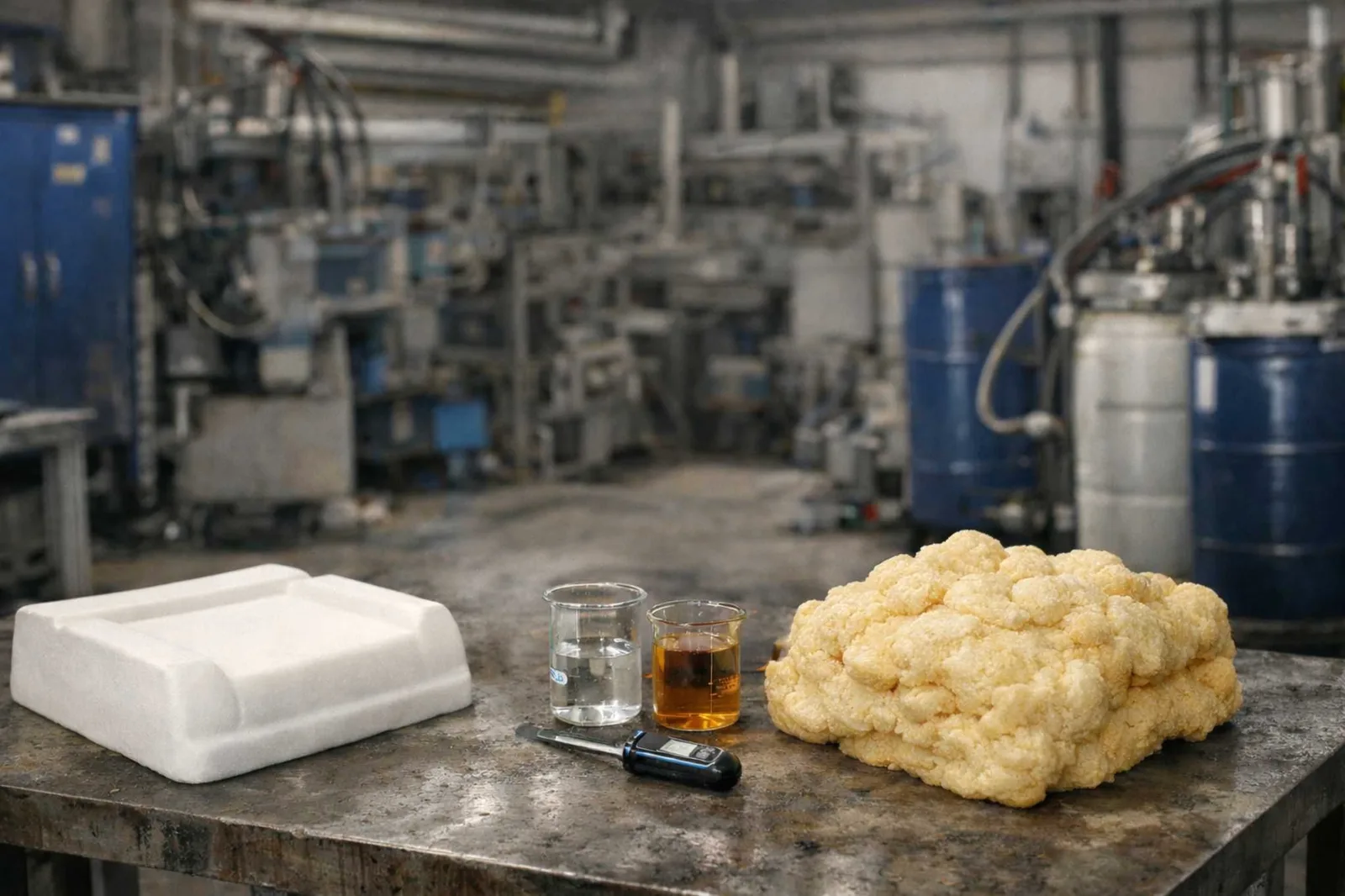
Polyol & MDI Systems
Polyol and MDI (Methylene Diphenyl Diisocyanate) are the two fundamental components used in the production of polyurethane systems.
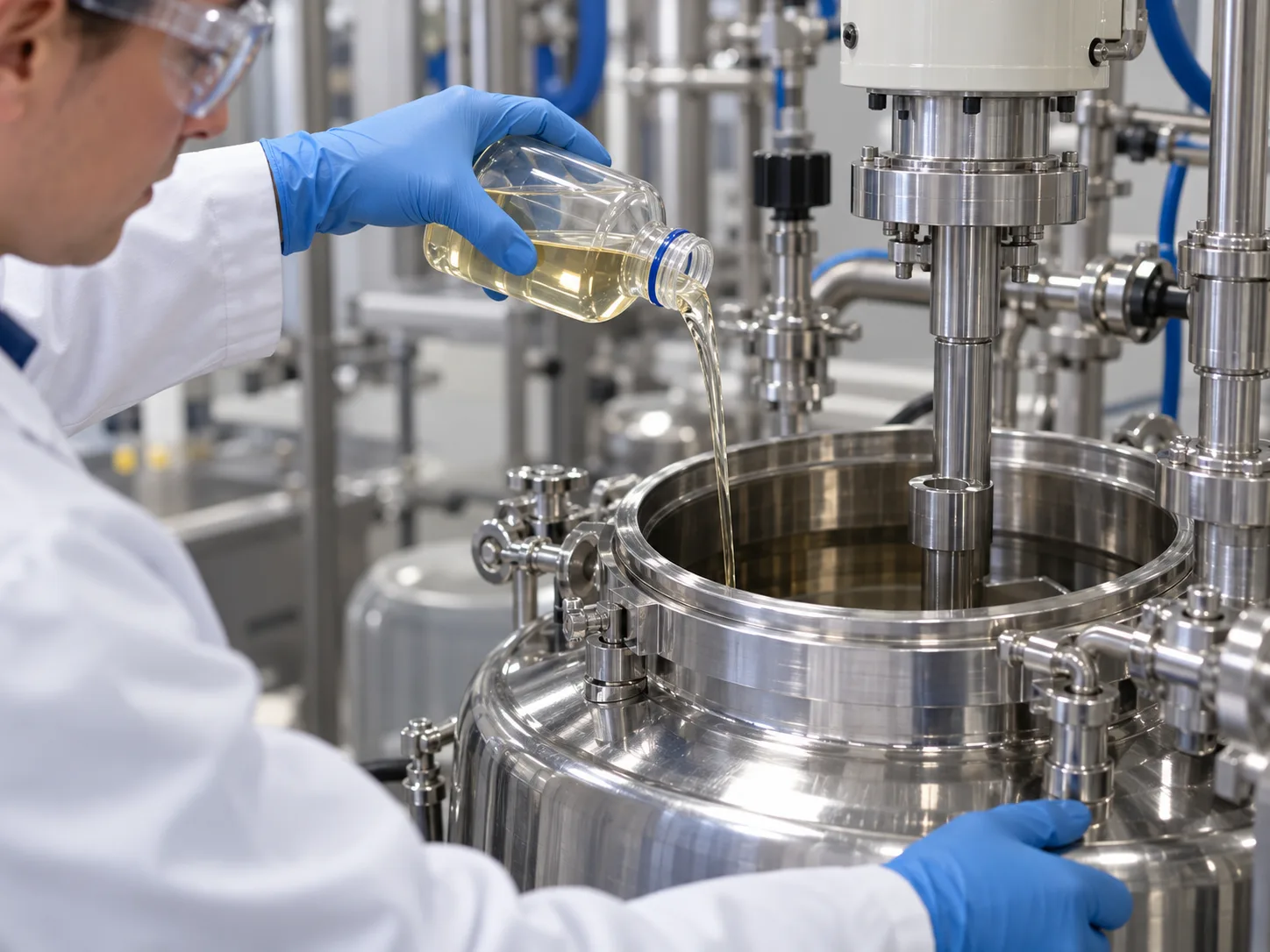
Prepolymers
Polyurethane production relies heavily on high-performance raw materials, and prepolymers are among the most critical components in this process.

Glycols
Diethylene Glycol (DEG) is a versatile chemical compound used in various industries, particularly in polyurethane, polyester, and plasticizer production.
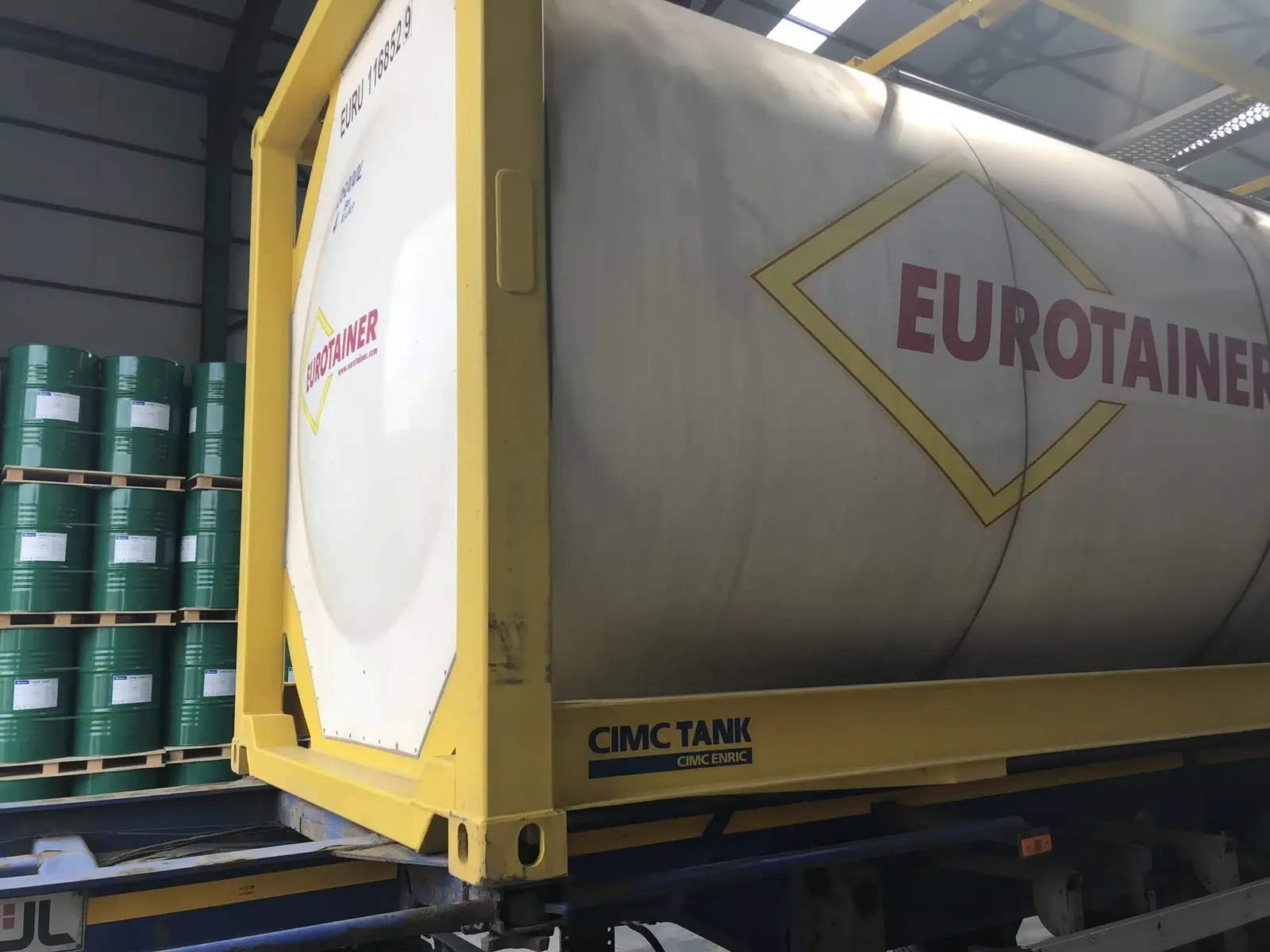
Solvents
In industrial production processes, using the right cleaning solutions is essential for the efficient operation of machinery and equipment.
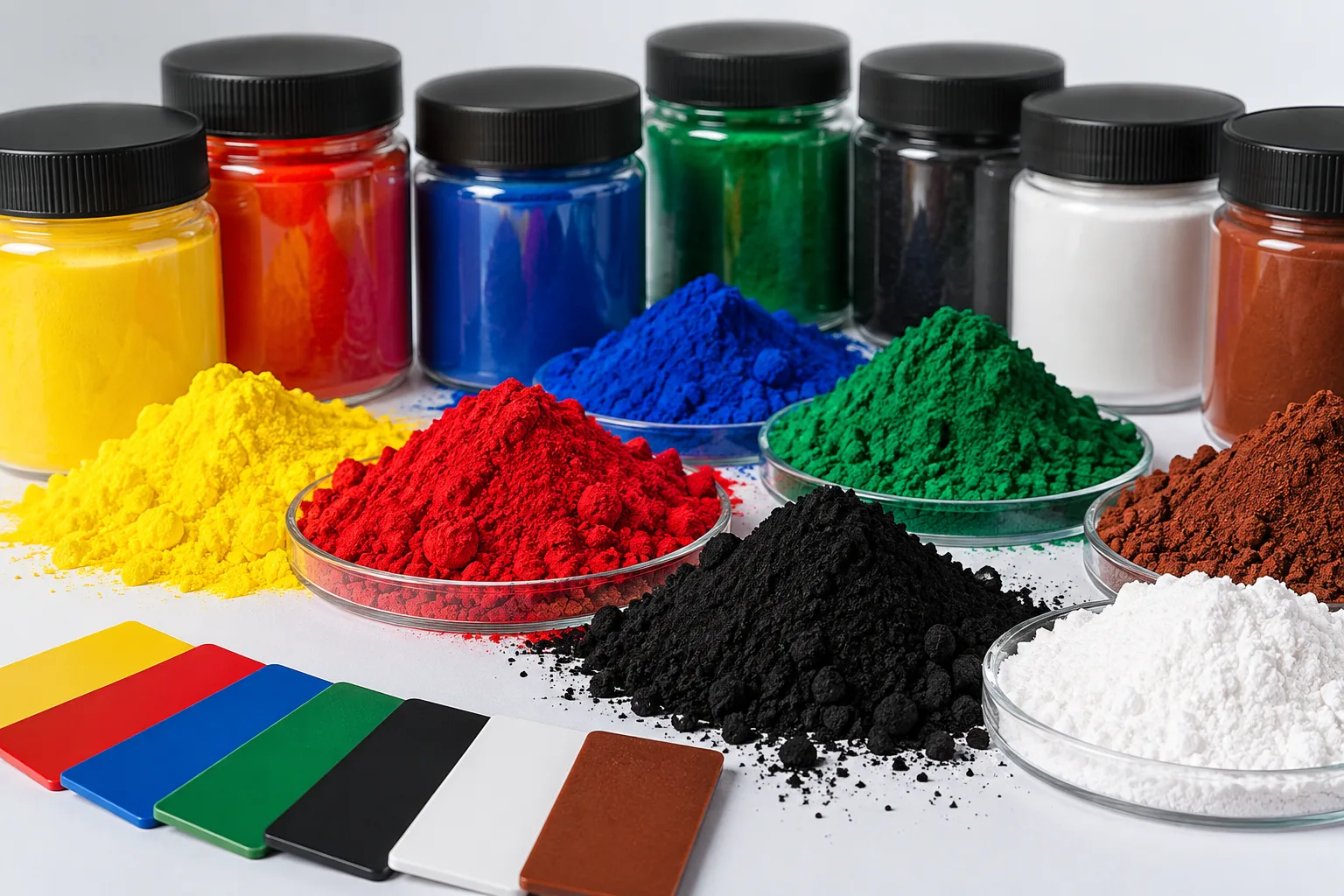
Colorants & Masterbatch
Colorants used in polyurethane systems are high-color-intensity and high-fluidity coloring systems made from the combination of pigments and carrier phases.
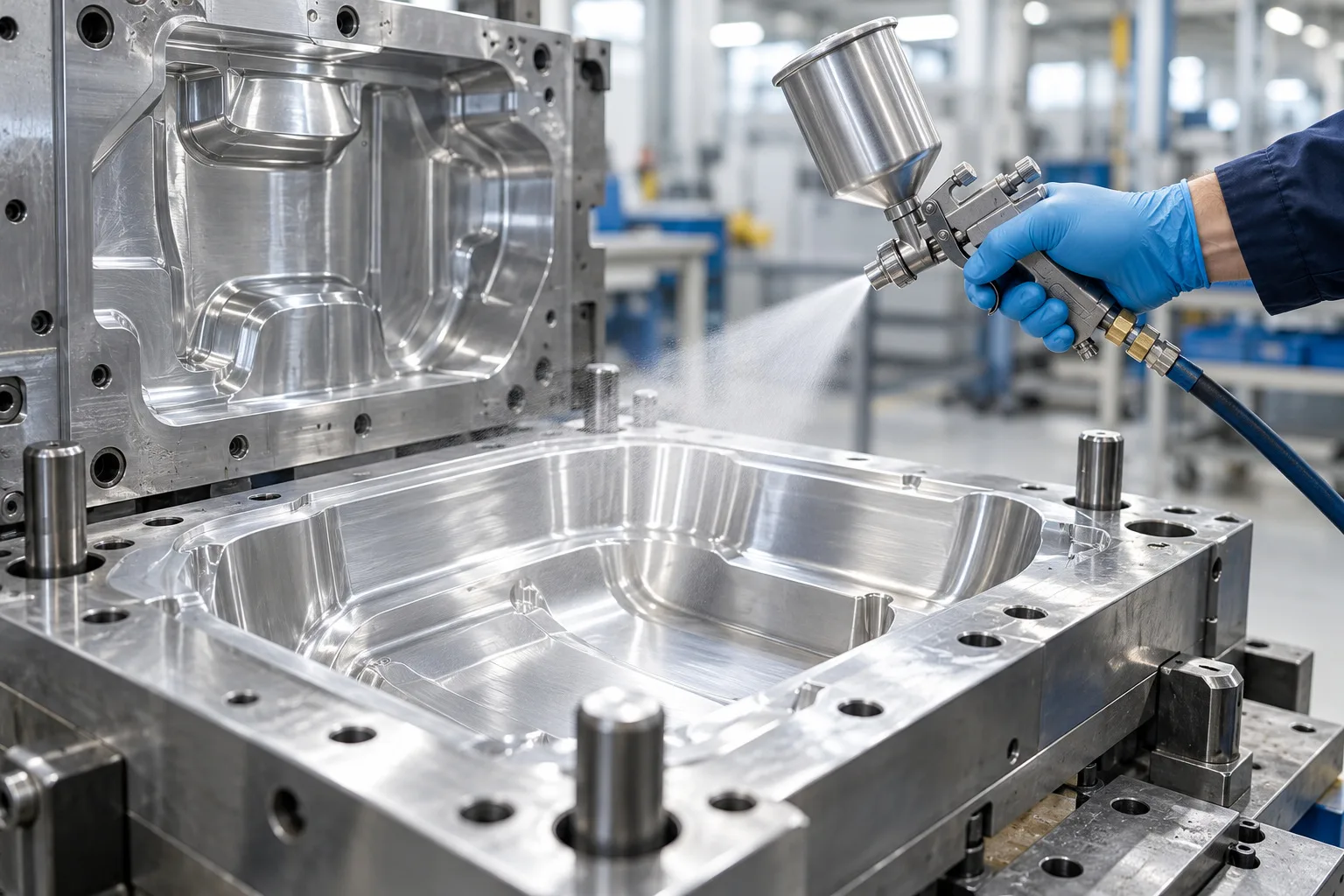
Mould Release Agents
Our environmentally friendly mold release agents are specifically designed for polyurethane systems, ensuring high performance while maintaining low consumption.
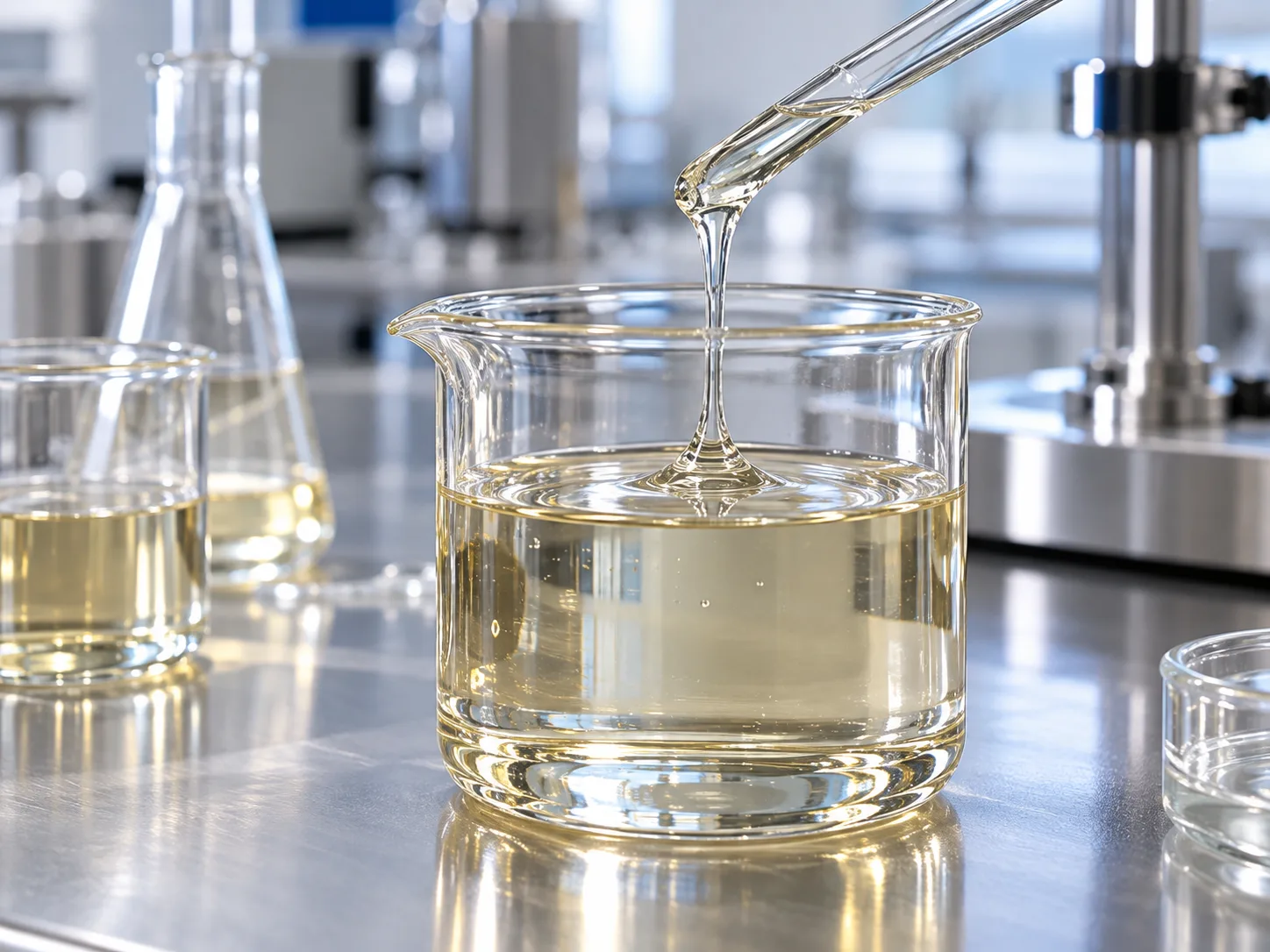
Plasticizers
DOTP is a plasticizer chemical raw material commonly used in the production of various materials such as shoe soles, cables, PVC, and other plastic derivative products.
Glass Beads
Glass microspheres are tiny, spherical glass particles widely used across various industries due to their unique physical and chemical properties.
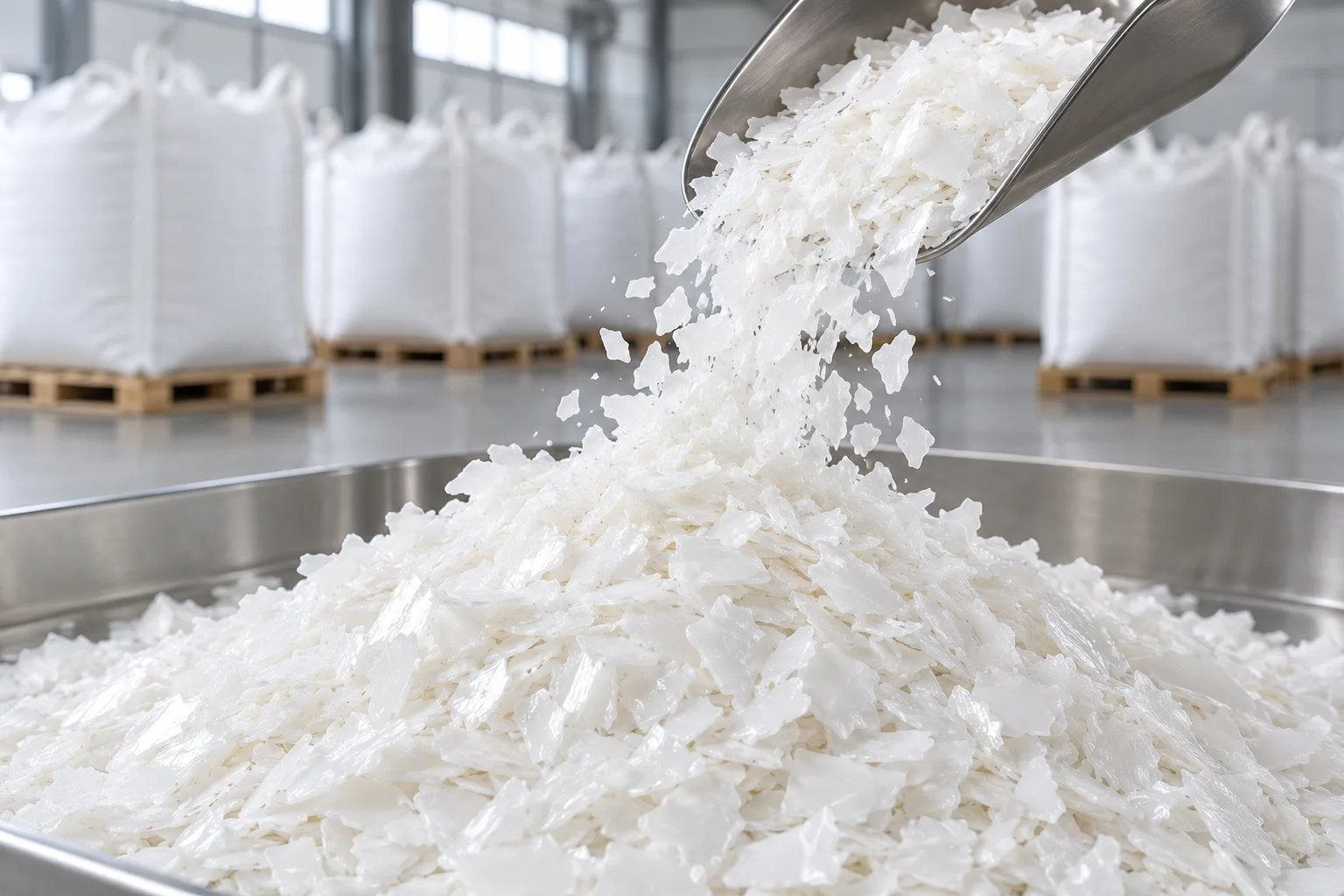
Phthalic Anhydride
Phthalic anhydride is a versatile and widely used chemical compound with significant applications across multiple industries.
Adipic Acid
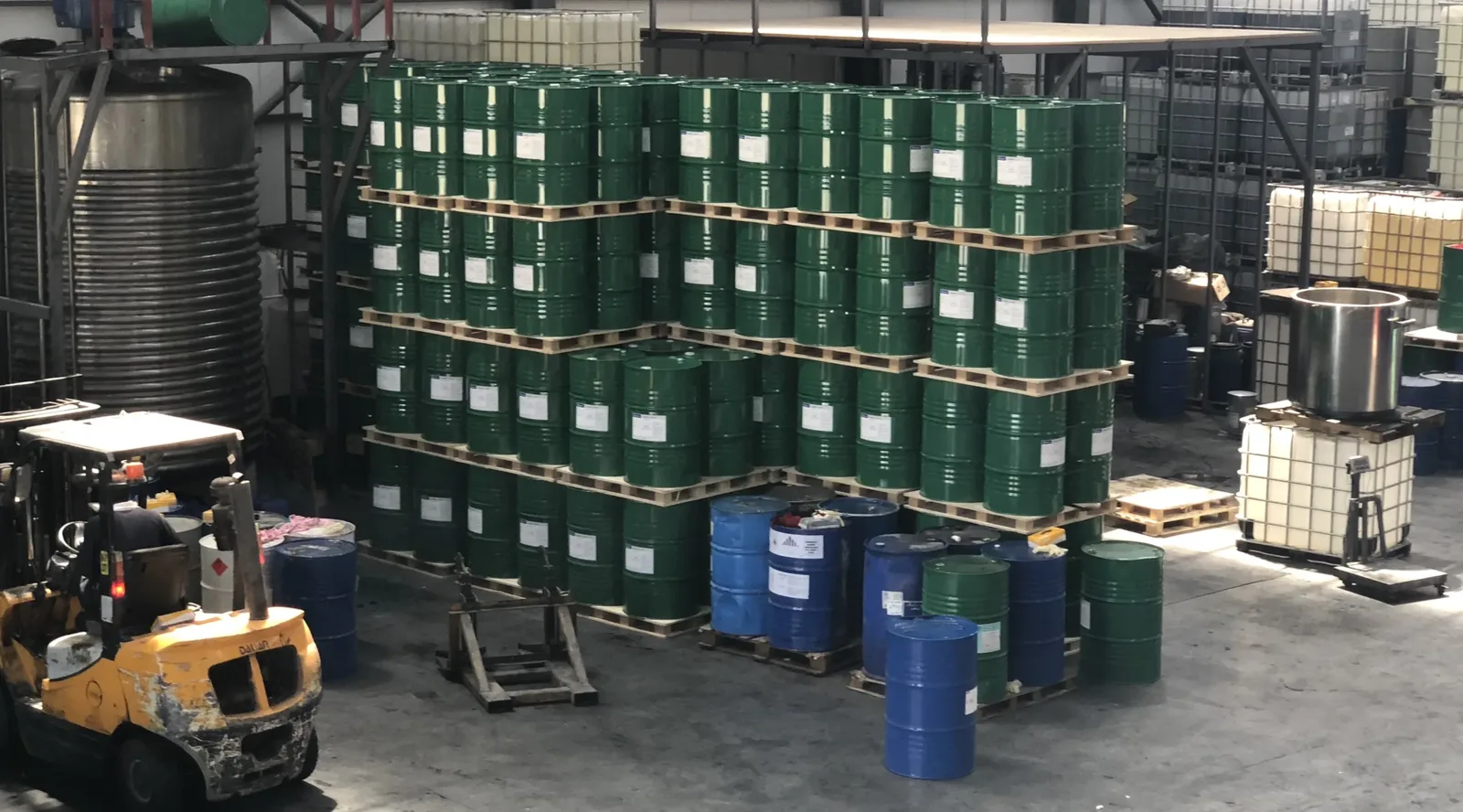
Adipic acid is one of the most widely used dicarboxylic acids in the chemical industry, especially in the production of nylon-based materials.
Polyether Polyols
Polyether polyols are the main component of polyurethane systems.
Silicone Surfactants
Silicone surfactants are the additives that control cell structure in polyurethane foam.
Catalysts
Catalysts set the speed of the polyurethane reaction and the balance between gelling and blowing.




Let us specify the right system for your line
Tell us your application, line type and target density; our technical team will reply with a formulation proposal.