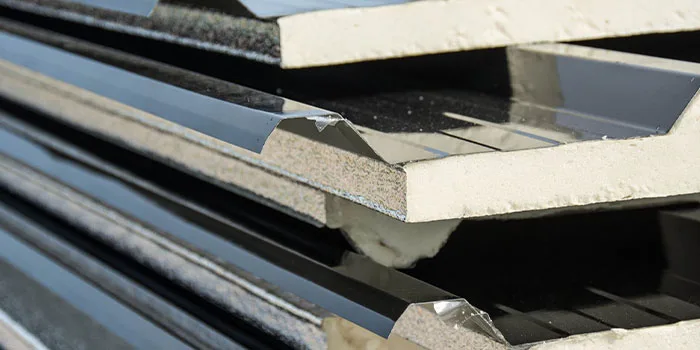
Open Cell Foam
Open Cell Polyurethane Foam is a lightweight insulation material designed with a flexible and open cellular structure. Unlike closed cell foam, the internal cells are not completely sealed…
What is Open Cell Foam
Open Cell Polyurethane Foam is a lightweight insulation material designed with a flexible and open cellular structure. Unlike closed cell foam, the internal cells are not completely sealed, allowing air to remain within the structure. This characteristic provides effective sound absorption, thermal insulation, and air sealing performance in many building applications.
Open cell polyurethane foam expands significantly during application and fills gaps, cracks, and cavities within structural elements. This expansion helps create a continuous insulation layer that reduces air leakage and improves indoor comfort.
Data Sheet and Sample
The technical data sheet and safety data sheet for this system are shared on request.
Open cell polyurethane foam expands significantly during application and fills gaps, cracks, and cavities within structural elements. This expansion helps create a continuous insulation layer that reduces air leakage and improves indoor comfort.
What It Delivers
Excellent sound absorption performance
Lightweight and flexible foam structure
Effective air sealing capability
High expansion rate during application
Improved indoor thermal comfort
Adaptability to irregular surfaces and cavities
Wall cavities
Interior partition insulation
Structure and Insulation Characteristics
The key difference between open cell and closed cell polyurethane foam lies in the cellular structure. In open cell foam, the cells are interconnected rather than sealed. This creates a softer and more flexible material that is particularly effective at sound absorption and air sealing.
Because of its lower density, open cell polyurethane foam is typically used in areas where lightweight insulation and acoustic performance are important.
Key Properties of Open Cell Polyurethane Foam
Open cell polyurethane foam offers several advantages for insulation and building performance.
These properties make the material suitable for various interior insulation applications.
Excellent sound absorption performance
Lightweight and flexible foam structure
Effective air sealing capability
High expansion rate during application
Improved indoor thermal comfort
Adaptability to irregular surfaces and cavities
Energy Efficiency and Indoor Comfort
Open cell polyurethane foam contributes to energy-efficient building performance by limiting uncontrolled air movement within building envelopes. By reducing drafts and improving air sealing, the material helps maintain stable indoor temperatures.
In addition to thermal benefits, open cell foam improves indoor acoustic comfort, making it a preferred insulation solution in residential buildings, offices, and interior partition systems.
Open Cell Polyurethane Foam in Modern Insulation Systems
Open cell polyurethane foam is widely used in modern construction as a lightweight insulation and acoustic control solution. Its ability to expand, seal air gaps, and absorb sound makes it a practical option for interior insulation applications.
When used in appropriate environments, open cell polyurethane foam provides reliable insulation performance, improved indoor comfort, and enhanced sound control within building systems.
For more information about Open Cell Polyurethane Foam, you can contact our team through the contact page. If you would like to learn more about our insulation solutions and ongoing projects, you can also follow us on LinkedIn for the latest updates and developments.
In modern insulation systems, polyurethane foam is often applied using spray technology to achieve uniform coverage and strong surface adhesion. To learn more about application methods and system performance, you can explore our Polyurethane Spray Foam solutions.
Wall cavities
Interior partition insulation
Sound control applications
Where It Is Used
Roof and attic insulation





More from Construction & Insulation
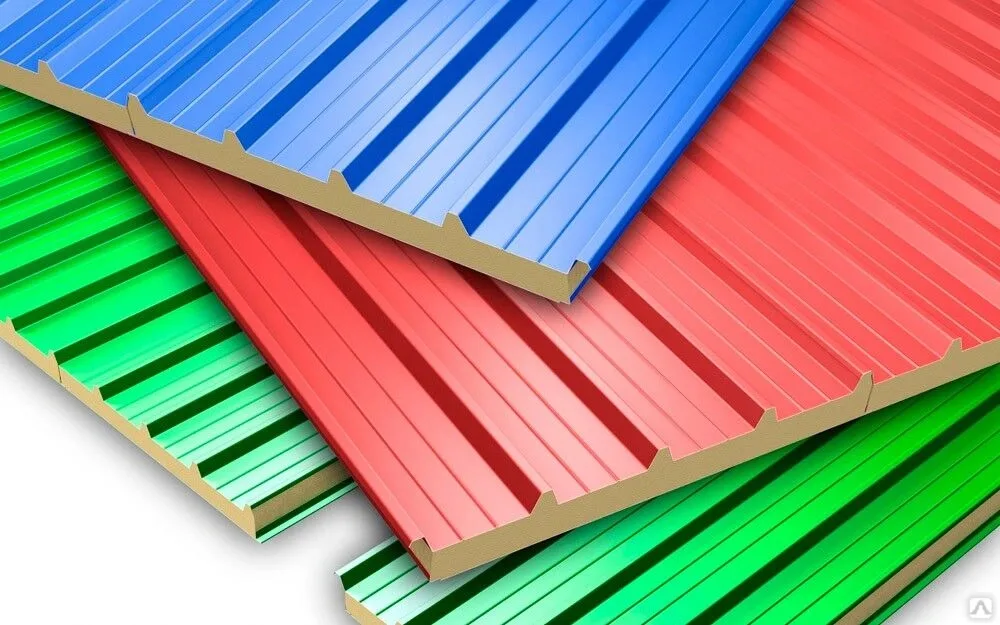
Sandwich Panel
At Pluskim, we provide the construction sector with energy-efficient, durable, and sustainable…
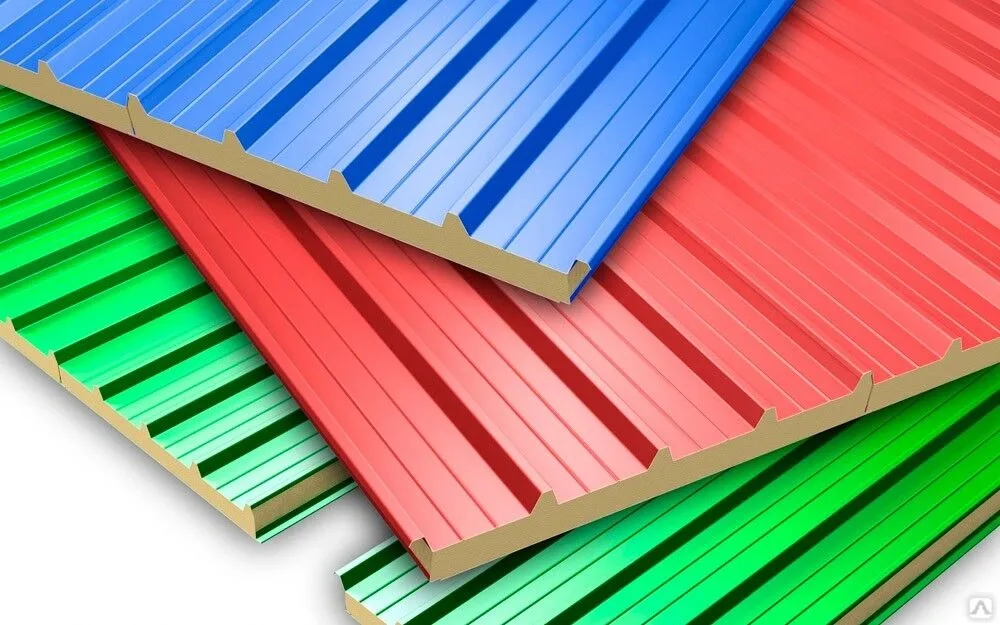
Continuous & Discontinuous Panel
Both methods are designed to ensure consistent and reliable application of the system, whether…
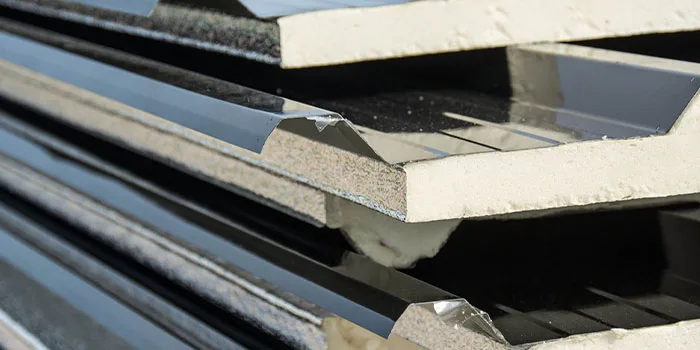
Continuous Line
Continuous polyurethane raw material is among advanced technology solutions developed to…
Let us specify the right system for your line
Tell us your application, line type and target density; our technical team will reply with a formulation proposal.