Catalysts
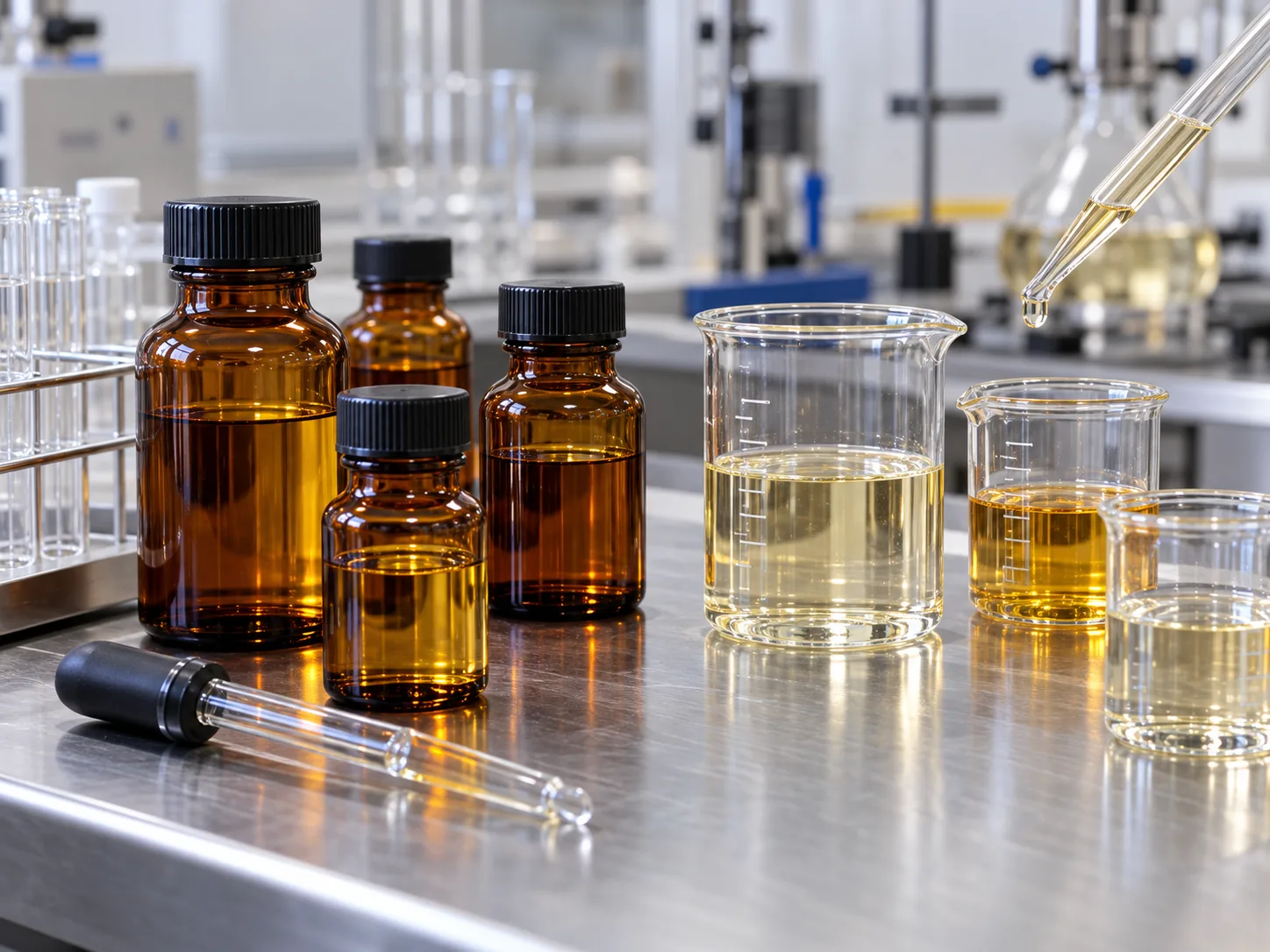
Catalysts set the speed of the polyurethane reaction and the balance between gelling and blowing.
What are Catalysts
Catalysts set the speed of the polyurethane reaction and the balance between gelling and blowing. The right catalyst brings cream time, gel time and line speed into agreement; the wrong one shows up as collapse, shrinkage or surface cracking.
Alongside standard catalysts in the 4000 series, Pluskim also supplies system-specific catalyst packages. Describe the problem in your current formulation and we will work out the right catalyst balance with you.
Data Sheet and Sample
The technical data sheet and safety data sheet for this system are shared on request.
The technical data sheet is sent through the request form.
What It Delivers
4000 series standard catalysts
System-specific catalyst packages
Adjustment of the gelling and blowing balance
Supplied together with formulation support
Where It Is Used
Slabstock and moulded foam
Rigid foam systems
Spray polyurethane
Elastomer systems




More from Raw Materials & Chemicals

Polyols
In rigid foam systems, polyether polyols, which are used in block and sheet foam production, and saturated polyester polyols, which are widely utilized in applications such as foam, footwear, and elastomers, are classified based on their linear or different molecular structures.

Isocyanates
Isocyanates are one of the two main components that react with polyols to form polyurethane.
Polyol & MDI Systems
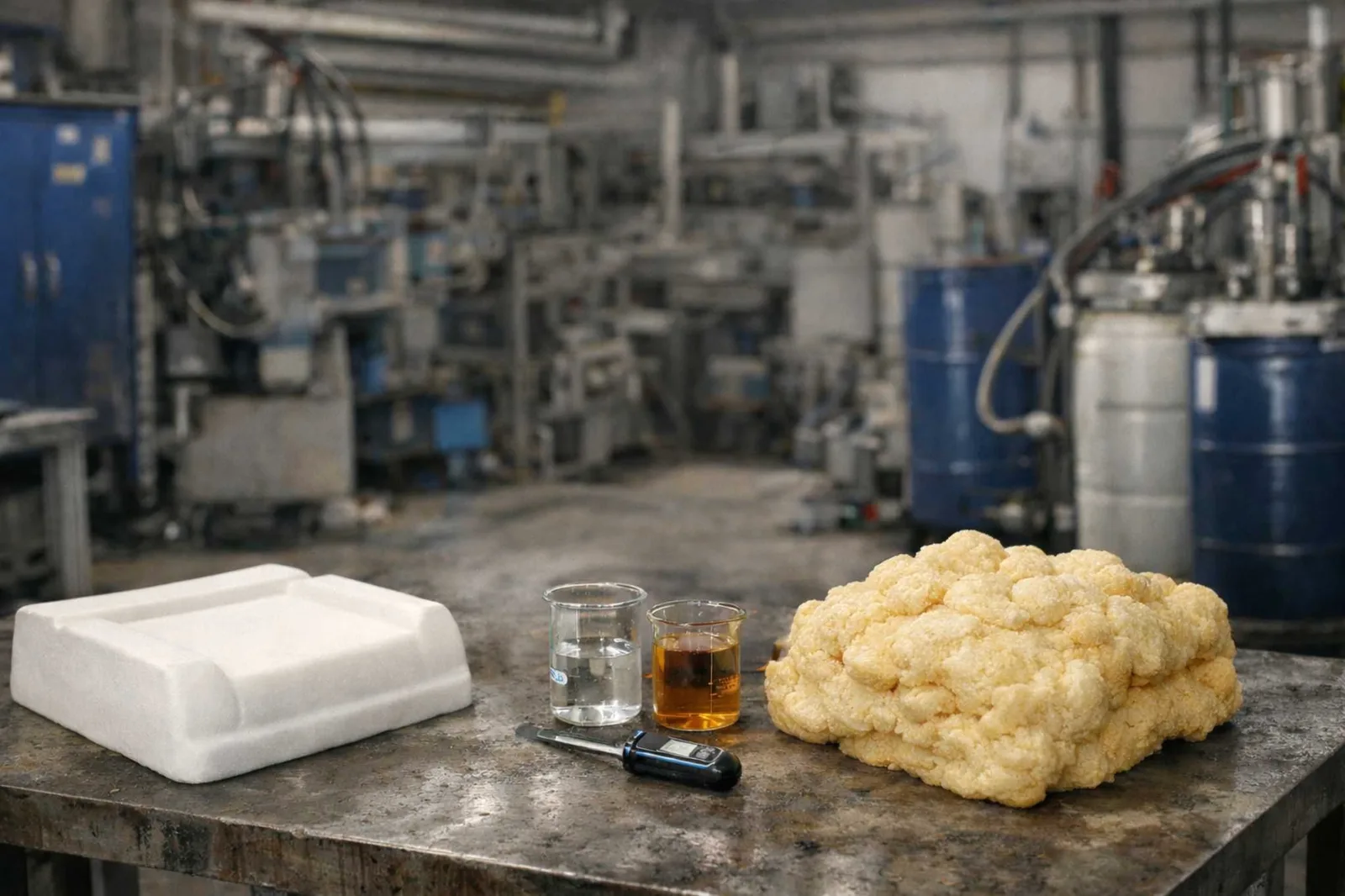
Polyol and MDI (Methylene Diphenyl Diisocyanate) are the two fundamental components used in the production of polyurethane systems.
Let us specify the right system for your line
Tell us your application, line type and target density; our technical team will reply with a formulation proposal.