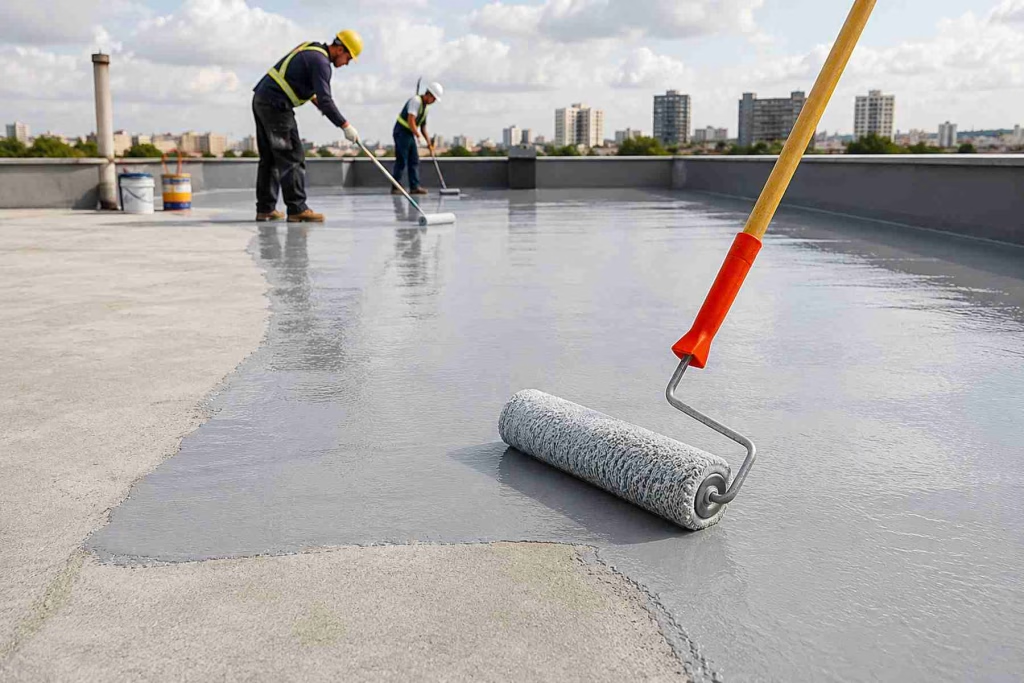
One of the most common problems encountered in buildings is the damage that water and moisture cause to concrete, steel, and other structural elements. One of the most effective ways to prevent this is choosing the right waterproofing membrane and applying it correctly. In this article, we take a detailed look at what a waterproofing membrane is, how it works, its main types, its application areas, and the criteria to consider when selecting one.
What Is a Waterproofing Membrane?
A waterproofing membrane is a flexible or semi-flexible insulation material applied to protect structural elements from the harmful effects of water and moisture. By forming an impermeable layer on the surface it is applied to, a membrane prevents water from penetrating into the structure.
How a Waterproofing Membrane Works
Waterproofing membranes create a continuous, uninterrupted barrier by making full contact with the surface they are applied to. Thanks to this barrier:
- Rainwater, groundwater, and pressurized water are prevented from penetrating the structure,
- Problems such as concrete carbonation and reinforcement corrosion are avoided,
- The service life of the building is extended and maintenance costs are reduced.
The effectiveness of a membrane depends on material quality, surface preparation, and correct application technique. For this reason, working with a professional waterproofing service is one of the most important long-term savings a project can make.
Types of Waterproofing Membranes
There are many membrane types available on the market, each suited to different needs. The three most widely used types are polyurethane, bitumen, and EPDM membranes. Understanding the differences between them is critical to selecting the most suitable material for a given project.
Polyurethane Membranes
Liquid-applied polyurethane membranes are brushed or rolled onto the surface, forming a seamless insulation layer at joints, corners, and pipe penetrations. Thanks to their high elasticity, they adapt well to structural movement and micro-cracks. They are especially preferred for roof and terrace applications with complex geometries. As a manufacturer of polyurethane raw materials, Pluskim develops the base systems used in this category; you can explore related construction-grade polyurethane solutions on our Construction Category page.
Bitumen Membranes
Bitumen-based membranes are produced both as liquid-applied coatings and as prefabricated rolled sheets. Rolled bituminous sheets can be applied with a torch or as self-adhesive systems. Due to their cost-effectiveness and high water impermeability, they are frequently used in foundations, basement walls, and terraces.
EPDM Membranes
EPDM (Ethylene Propylene Diene Monomer) membranes are synthetic rubber-based rolled membranes. They offer outstanding resistance to UV rays, ozone, and temperature fluctuations. EPDM membranes are especially preferred for green roof systems, pools, and large flat-roof surfaces, offering a long service life with low maintenance requirements. Pluskim also supplies polyurethane binder systems used to bond EPDM granules in outdoor flooring applications; details are available on our EPDM Polyurethane Binders page.
Application Areas of Waterproofing Membranes
Waterproofing membranes must meet different performance requirements depending on where they are applied in a building. Selecting the right product for each area is essential.
Roof Waterproofing
Roofs are directly exposed to weather conditions and therefore require the highest level of waterproofing. Membranes used on both sloped and flat roofs must prevent rainwater accumulation and offer high UV resistance.
Terrace Waterproofing
Terraces are exposed to both foot traffic and standing water. Polyurethane-based liquid membranes or bituminous sheets are typically preferred in these areas, as they provide seamless, durable protection under repeated wear.
Basement and Foundation Waterproofing
Basement levels are exposed to groundwater pressure and therefore require bituminous membranes with high water impermeability. Incorrect or insufficient waterproofing can lead to serious long-term damage to a building’s foundation system.
Tunnel Waterproofing
Tunnels are large-scale structures continuously exposed to groundwater pressure. These projects typically require geotextile-supported membrane systems, and application must be carried out meticulously by specialized teams.
Technical Criteria for Choosing the Right Membrane
There are several important technical criteria to consider when selecting a waterproofing membrane:
- Resistance to water pressure: Products with high resistance to water pressure should be preferred, especially for basements and tunnels.
- Flexibility and crack-bridging capacity: Membranes that can adapt to structural movement offer greater long-term safety.
- UV and weather resistance: Membranes used in exposed outdoor areas should have high UV resistance.
- Chemical resistance: Membranes resistant to chemical exposure should be chosen for industrial buildings.
- Ease of application and cost: The project budget and application timeline also play a role in material selection.
Product selection matters, but so does ensuring the material meets recognized quality standards. For projects that also require combined thermal and moisture protection, our Polyurethane Spray Foam (SPF) Systems page offers detailed technical information.
Surface Preparation and Common Application Mistakes
The performance of a waterproofing membrane largely depends on proper surface preparation before application. Key steps in surface preparation include:
- Removing dust, oil, and loose particles from the surface,
- Ensuring the surface is dry and level,
- Repairing cracks and voids with appropriate filler materials,
- Never skipping the primer application step.
Common Application Mistakes
Frequently observed mistakes on job sites include:
- Applying insufficient coating thickness,
- Inadequate reinforcement at detail points (corners, penetrations, pipe outlets),
- Applying membrane to a damp surface,
- Applying a load or a second coat before the curing time has been completed.
These mistakes can shorten a membrane’s service life and lead to water leaks. For this reason, it is essential that application be carried out by experienced professional teams. For general information about our polyurethane raw materials and construction insulation systems, you can visit the Pluskim.
Conclusion
A waterproofing membrane plays a critical role in protecting buildings from water and moisture damage. Polyurethane, bitumen, and EPDM membranes each offer different advantages depending on the application. Choosing the right product and ensuring professional installation on roofs, terraces, basements, and tunnels extends a building’s service life while preventing costly water damage.
To determine the most suitable waterproofing solution for your project and to get professional technical support, feel free to get in touch with us.