Polyurethane Raw Materials
What Are Polyurethane Raw Materials?
Polyurethane raw materials consist of polyols, isocyanates, catalysts and blowing agents used to produce flexible and rigid polyurethane systems for industrial applications.
The most common polyurethane raw materials include polyols, isocyanates, catalysts, blowing agents and additives, which react together to form flexible or rigid polyurethane structures.
Polyurethane raw materials are widely used in industries such as furniture manufacturing, automotive production, insulation systems, construction materials and industrial applications.
The combination and formulation of these components determine key performance characteristics such as density, durability, elasticity and thermal insulation performance.
Key Components of Polyurethane Raw Materials
Polyols
Isocyanates
Catalysts
Blowing Agents
Silicone Surfactants
Rigid Polyurethane Systems stand out with features such as high physical and chemical resistance, thermal insulation, load-bearing capacity, long lifespan, moisture resistance, and ease of application. These characteristics make polyurethane superior to other raw materials, increasing its usage in industrial applications every day.
- Polyurethane Systems for Refrigerators
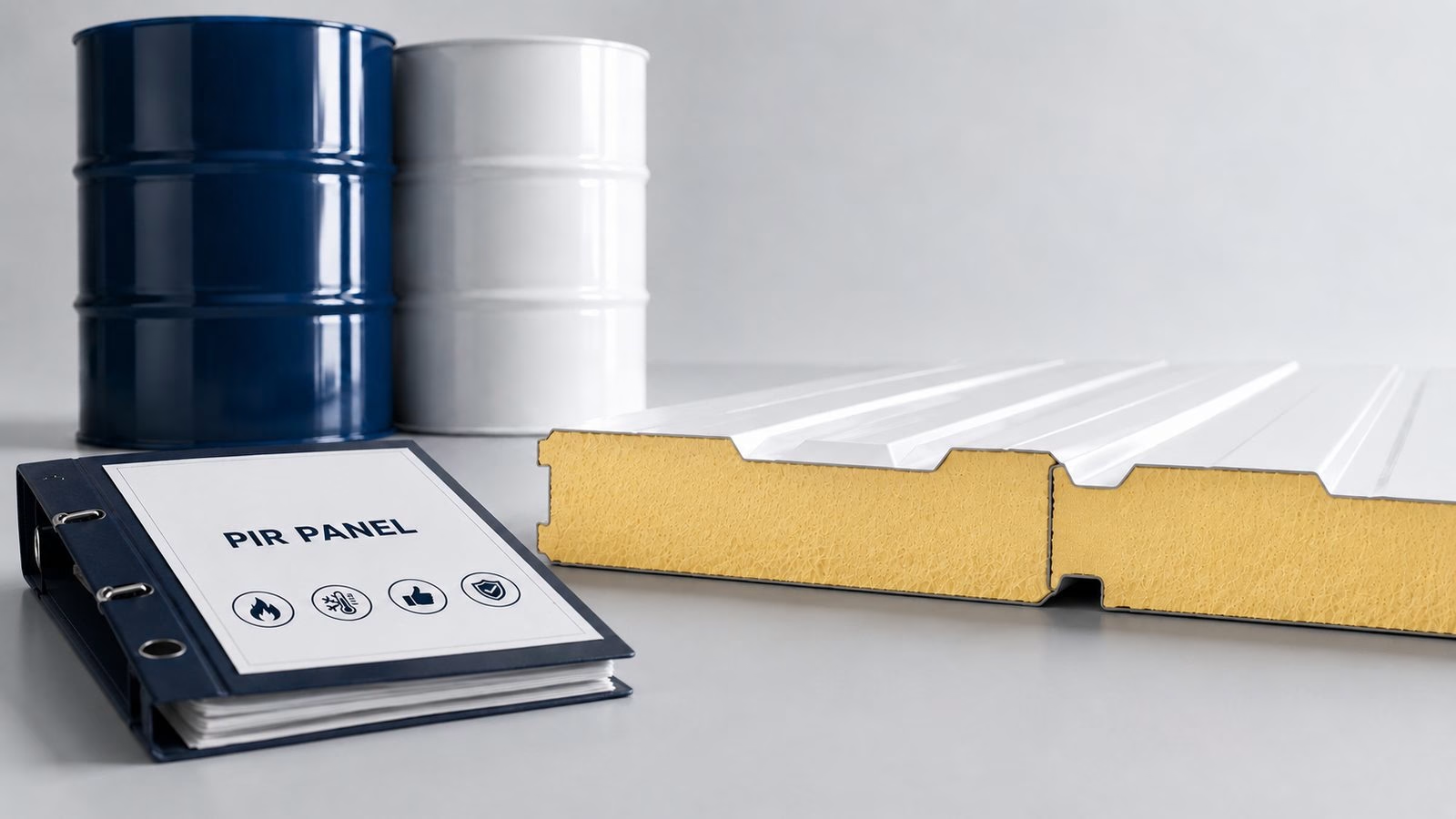
- Polyurethane Systems for Sandwich Panels (PIR-PUR)
- Open Cell / Closed Cell Spray Polyurethane Systems
- Polyurethane Systems for Cold Rooms
- Wood-Look Polyurethane Systems
- Decorative Polyurethane Systems
- Polyurethane Systems for Boilers
- Polyurethane Systems for Shutters
- Polyurethane Systems for Geothermal Pipe Insulation
- Polyurethane Systems for Blocks

FLEXIBLE POLYURETHANE SYSTEMS
The PLUSOL-F-201 and PLUSNATE-F-200 series are two-component, MDI-based polyurethane foam systems from Pluskim, offering high flexibility and durability. HR Molded polyurethane systems stand out with high sag factors and improved hysteresis curves compared to standard slab foams.
Areas of Use:
- Office Furniture
- Automotive
- Construction Machinery
Product Groups:
- Viscoelastic Memory Foam Polyurethane Systems
- Filter Polyurethane Systems
- Integrated Polyurethane Systems

FOOTWEAR POLYURETHANE SYSTEMS
PLUSOL-A, PLUSNATE-A, and PLUSCAT-A are premium quality polyurethane systems for all types of footwear. These systems offer lightweight, abrasion-resistant products with excellent physical and long-term mechanical properties.
They are suitable for the production of both seasonal and sports footwear soles. The polyurethane systems are specially manufactured with hardness values ranging from 45-90 Shore-A and molding densities ranging from 35-55 kg/m³, depending on usage requirements.
Structural Features:
- Comfortable
- Lightweight and ergonomic
- Superior surface quality
- Various hardness options
- High flexibility value

CASE POLYURETHANE SYSTEMS
These polyurethane systems are suitable for various applications such as coatings for waterproofing, adhesive bonding, free casting, or molded applications. Due to their high quality and superior features, CASE polyurethane systems are encountered in many areas of our lives.
- Polyurea Waterproofing Systems
- Pure Polyurea / Hybrid Polyurea
- Polyurethane Adhesives
- Prepolymers
- Cold Elastomer Polyurethane Systems
- Polyurethane Binders
- EPDM-Rubber Binder
- Polyurethane Binders
- Rebond Foam Binder

What Are Polyurethane Raw Materials?
Polyurethane raw materials are chemical components used to produce polyurethane polymers and foams. These include polyols, isocyanates, catalysts and blowing agents that create flexible or rigid polyurethane structures.
They are widely used in furniture, automotive, insulation and construction industries, determining key properties such as density, durability, elasticity and insulation performance.
Key Components of Polyurethane Raw Materials
Polyols
Isocyanates
Catalysts
Blowing Agents
Silicone Surfactants


What are polyurethane raw materials?
Polyurethane raw materials are the chemical components used to produce polyurethane polymers and foams. The most common polyurethane raw materials include polyols, isocyanates, catalysts, blowing agents and additives. These components react together to form flexible or rigid polyurethane structures used in many industrial applications.
What raw materials are used in polyurethane production?
Polyurethane production mainly uses polyols and isocyanates as the primary reactive components. In addition, catalysts, silicone surfactants, blowing agents and chain extenders are used to control reaction speed, foam structure and overall material performance.
What industries use polyurethane raw materials?
Polyurethane raw materials are widely used in industries such as furniture manufacturing, automotive production, insulation systems, construction materials, footwear and industrial equipment. They are essential for producing flexible foams, rigid insulation foams, coatings, adhesives and elastomers.
What determines the performance of polyurethane systems?
The performance of polyurethane systems depends on several factors including formulation balance, catalyst selection, reaction kinetics and cell structure. The correct combination of polyurethane raw materials determines properties such as density, elasticity, durability and thermal insulation performance.
What are the most important components in polyurethane chemistry?
The most important components in polyurethane chemistry are polyols and isocyanates. These chemicals react to form the polyurethane polymer structure. Catalysts, blowing agents and stabilizers are also used to control the reaction process and foam morphology.
Why are catalysts important in polyurethane systems?
Catalysts are used in polyurethane systems to control the reaction between polyols and isocyanates. They influence gel time, foam rise time and overall process stability. Proper catalyst selection helps achieve consistent foam structure and reliable production performance.
How do polyurethane raw materials affect foam density?
Foam density is influenced by the formulation of polyurethane raw materials, particularly the type of polyols, blowing agents and additives used. Proper formulation and process control help achieve the desired density while maintaining foam stability and mechanical strength.