Fire-Resistant Insulation Guide
Industrial Fire-Resistant Insulation Guide
Safety standards in industrial plants, pipelines and the construction sector are getting stricter every year. At the centre of this shift is the choice of materials that reduce fire risk and withstand high temperatures. Fire-resistant insulation is not just an insulation preference: for businesses it means legal compliance, insurance requirements and long-term operational safety. In recent years in particular, more frequent occupational safety inspections and updated fire regulations have pushed investors and contractors alike to be far more careful when choosing insulation materials.
In this guide we take a technical look at how polyurethane-based fire-resistant insulation systems work, led by Pluskim Fire-Resistant Spray Polyurethane Systems: the criteria for choosing them, examples of use by sector, and what to watch for in the B2B supply process. Our aim is to give engineers and project managers who make purchasing decisions the practical information they need to choose the right system, in one place.
What Is Fire-Resistant Insulation and Why Does It Matter?
Fire-resistant insulation is the general name for material systems that provide thermal and acoustic insulation while largely keeping their structural integrity when exposed to high temperatures and direct flame. Unlike standard insulation materials, these systems are formulated so that they do not ignite quickly or release toxic gases in a fire.
In industrial plants, how fast a fire spreads is directly linked to the burning behaviour of the insulation material. That is why fire-resistant insulation in pipelines, sandwich panel façades, cold stores and energy plants is no longer an option but, in most cases, a regulatory requirement.
Fire performance is not judged only by whether a material catches fire. Several parameters are examined together: how long the material keeps its structural integrity against flame, smoke and toxic gas release, and the rate of heat transfer. Choosing the right system for a project therefore means assessing the material's overall fire behaviour profile rather than looking at a single technical value.
Types of Fire-Resistant Insulation
The market offers many fire-resistant insulation systems with different structures and application methods. The right choice depends on the project's application area, the substrate type and the expected performance values.
Polyurethane Spray Foam Systems
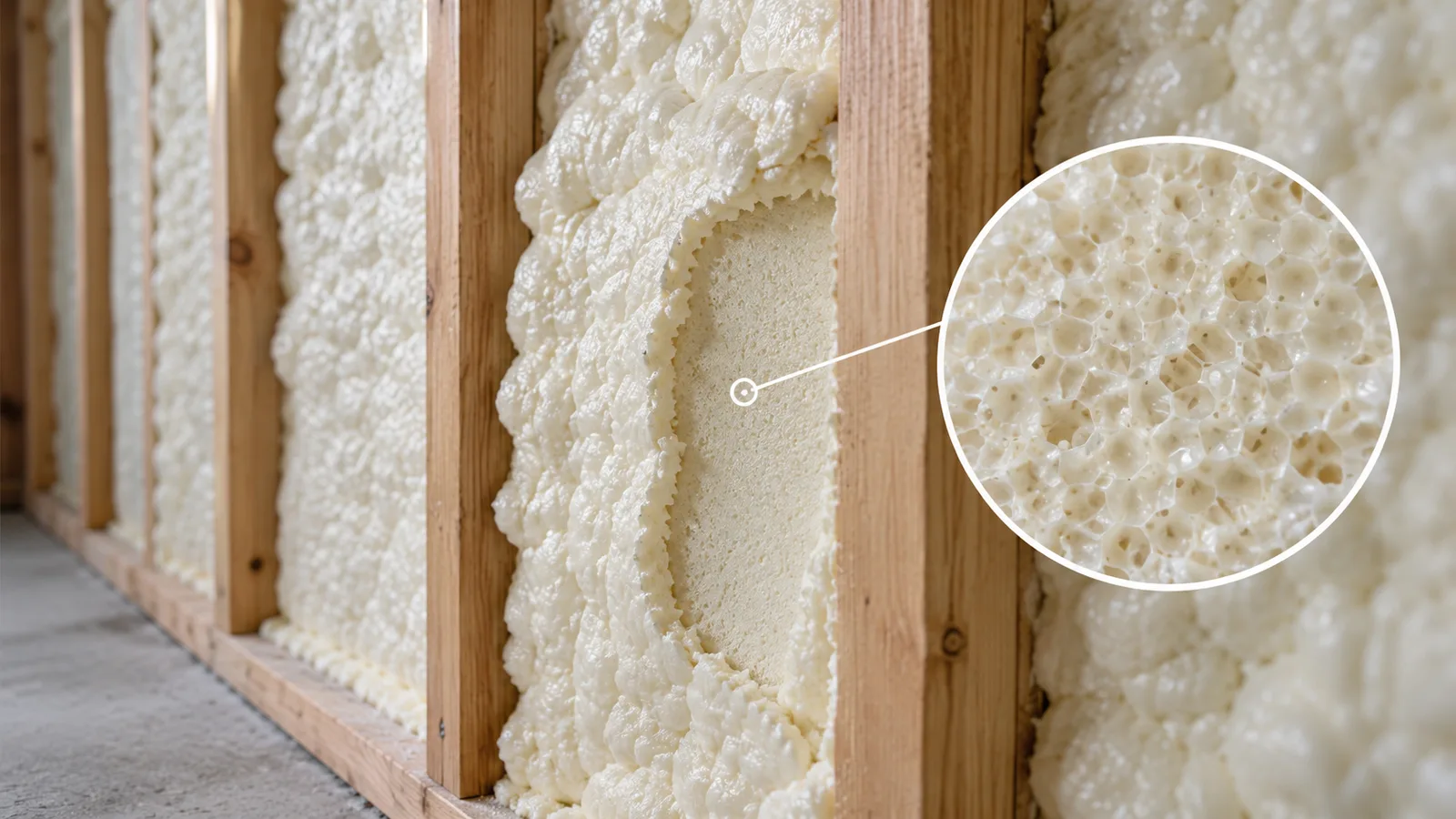
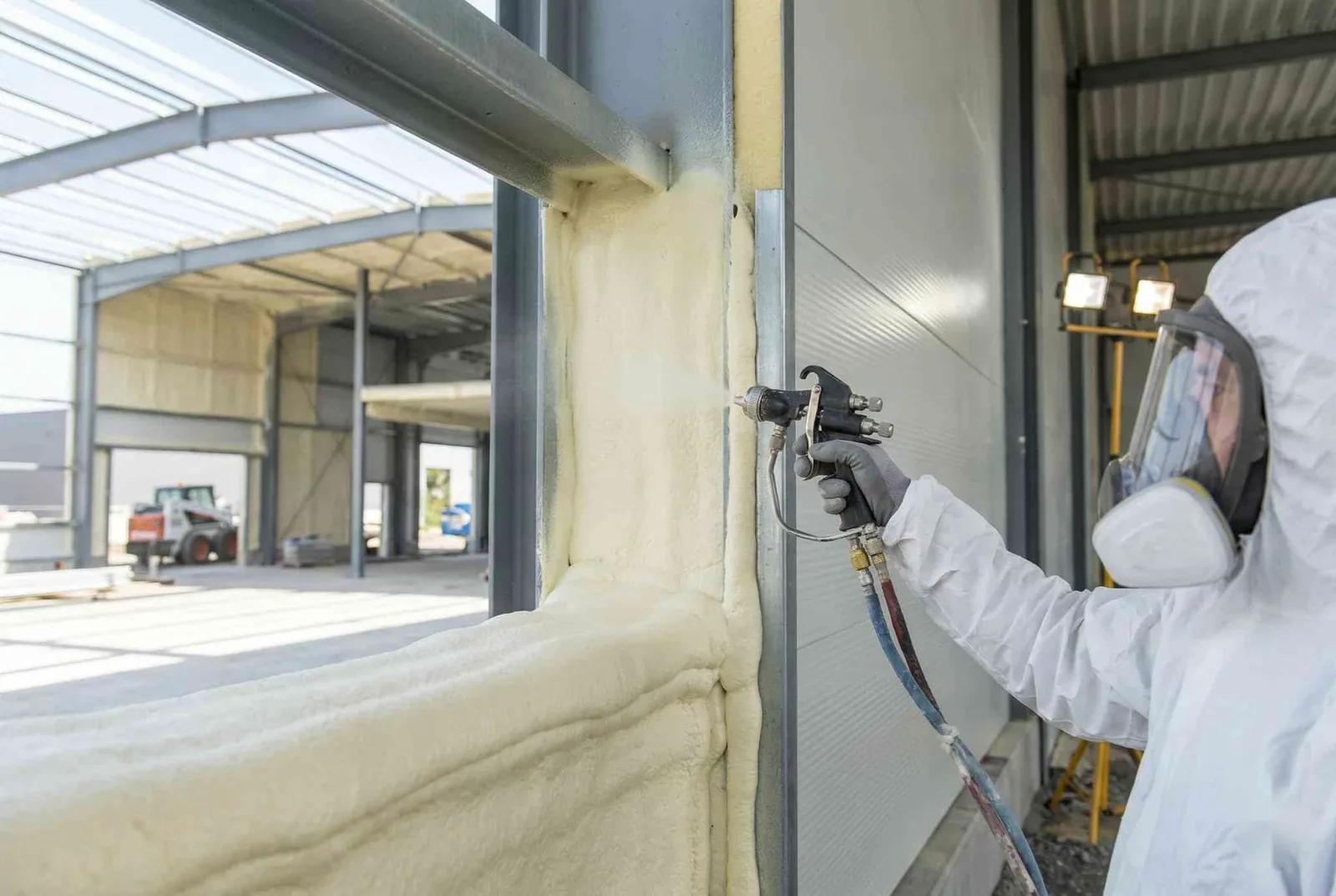
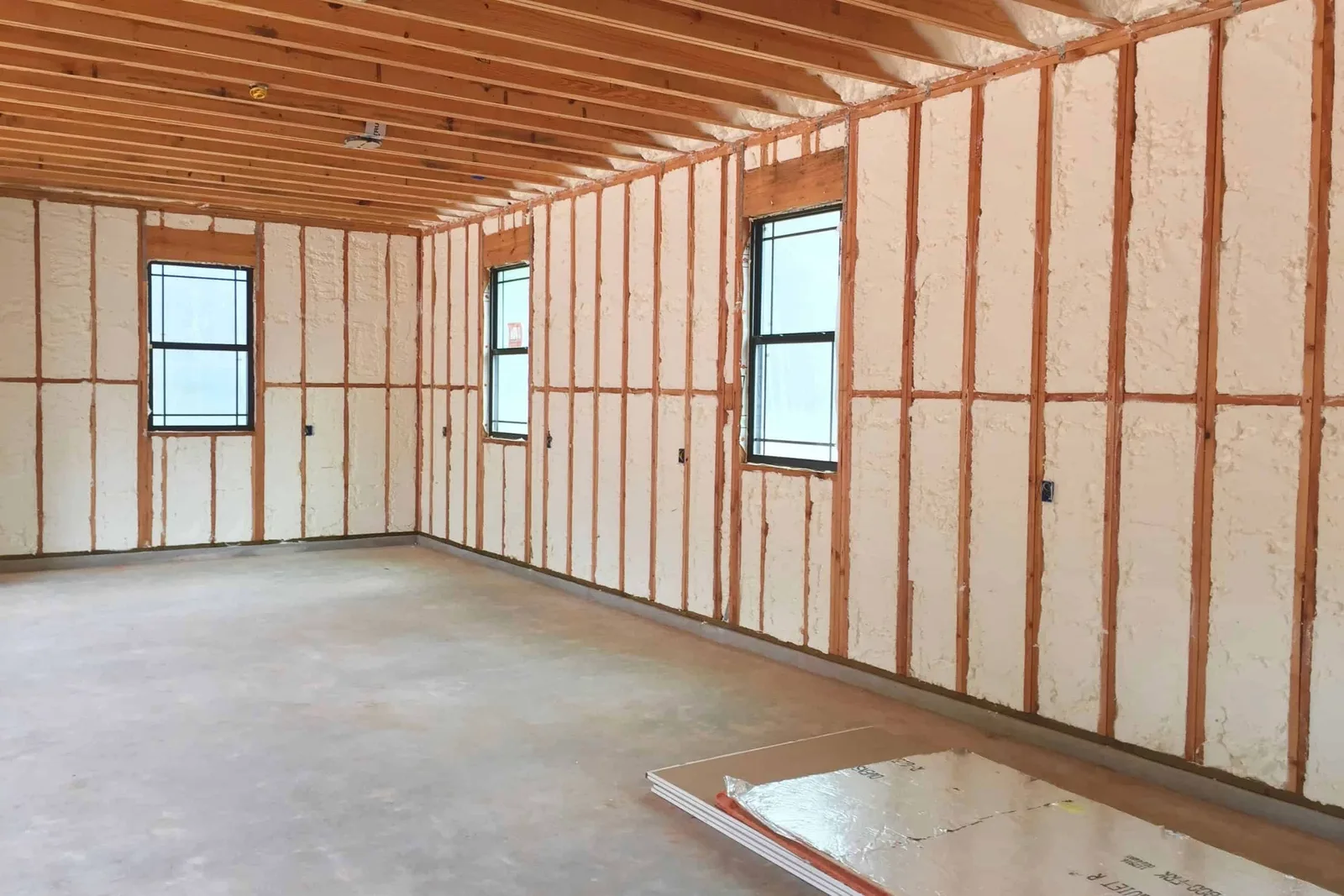
Pluskim Fire-Resistant Spray Polyurethane Systems are widely preferred on site because they insulate quickly and evenly. Their closed-cell structure keeps out moisture and gives low thermal conductivity, and suitable formulations add fire-resistance performance. They allow single-layer application on roofs, façades and industrial plants.
PIR and Sandwich Panel Systems
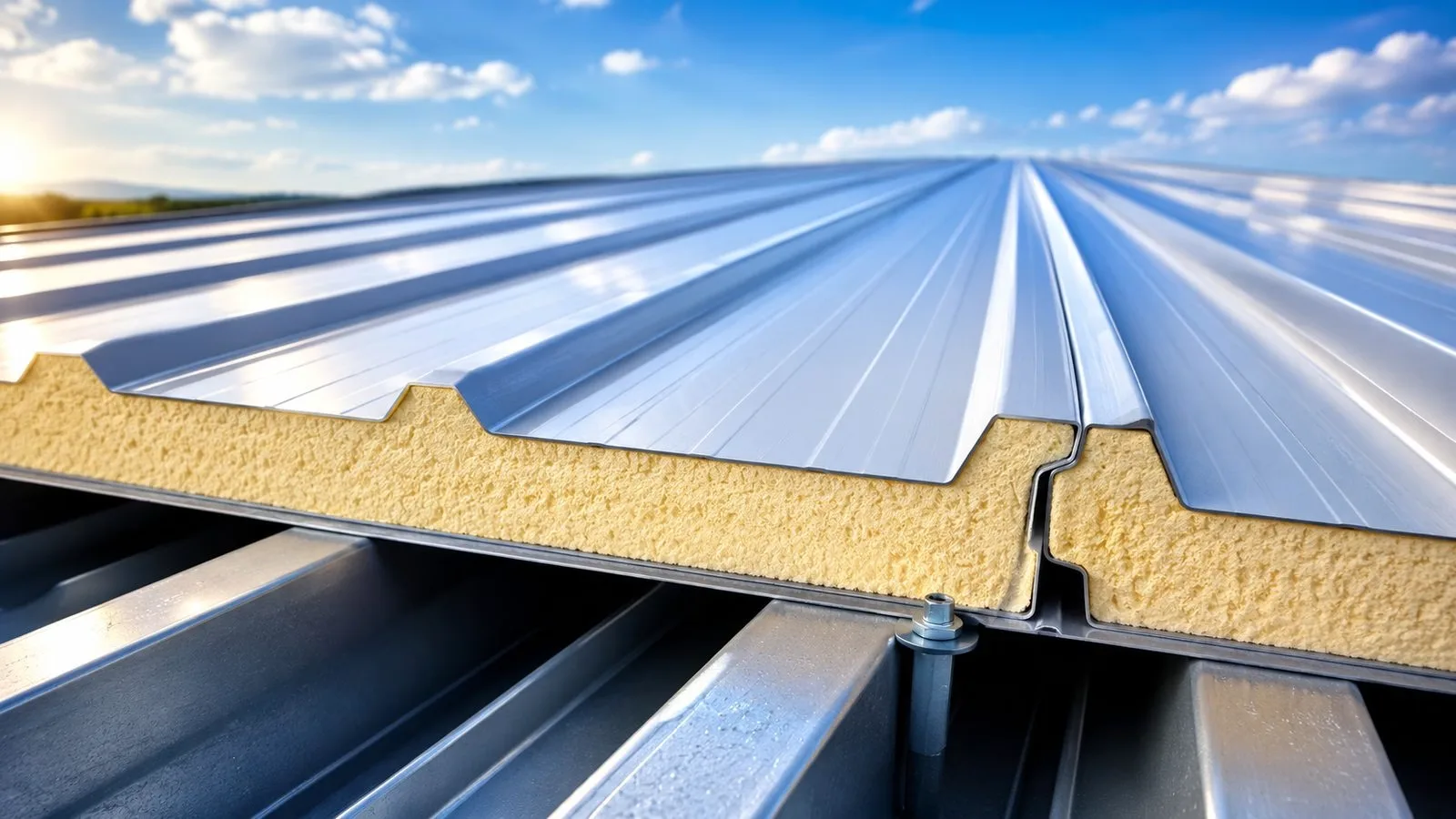
Polyurethane and PIR (polyisocyanurate) systems used in sandwich panel production stand out in roof and wall applications where structural strength and fire performance are required together. Because PIR systems withstand higher temperatures than standard polyurethane, they are preferred in projects with a high fire classification.
Pipe Insulation Systems
Injection-type polyurethane systems used in hot and cold water transfer lines, district heating, and natural gas and oil transfer pipelines provide strong adhesion and long-lasting insulation when filling steel, stainless steel and HDPE pipes.
For detailed technical information on Pluskim Fire-Resistant Spray Polyurethane Systems, see our Fire-Resistant Spray Polyurethane Systems page.
Criteria for Choosing Fire-Resistant Insulation
Choosing the right system is critical for both safety and project cost. In B2B purchasing, we recommend assessing the criteria below together with the technical documentation.
Temperature Resistance and Fire Class
The maximum temperature range a material can withstand and its fire class (for example classes B, C or D under the Euroclass fire classification system) must match the project's risk level. Asking the supplier for test reports and certificates prevents mismatches later on.
Chemical and Mechanical Durability
In industrial plants, insulation is usually exposed to moisture, chemical vapours and mechanical stress. A closed-cell structure, low water absorption and high compressive strength are the factors that directly determine long-term performance.
Ease of Application and Labour Cost
Spray-applied systems can shorten installation time compared with systems that need moulds or panels. The experience of the application team, site conditions and surface preparation also affect total cost and final quality.
| System Type | Typical Use | Key Feature |
|---|---|---|
| Pluskim Fire-Resistant Spray Polyurethane Systems | Roofs, façades, on-site applications | Fast, even application |
| PIR Sandwich Panel | Industrial building façades and roofs | High fire performance |
| Pipe Injection System | Heating, cooling and transfer lines | Strong adhesion, long service life |
Fire-Resistant Insulation Standards and Certification
One of the most important documents to request from a supplier in B2B purchasing is a fire performance report from an independent laboratory. The Euroclass fire classification system widely used in Europe (EN 13501-1) ranks materials from A1 to F, from non-combustible to highly flammable; construction projects usually call for B-s1,d0 or better.
Local regulations for the country and sector of the project, safety data sheets (SDS/MSDS) and declarations of conformity are also an integral part of the supply process. Our advice to corporate buyers is to request the supplier's current test reports, production plant quality certificates and, where available, a list of reference projects before ordering. This step secures legal compliance and avoids delays in post-project inspections.
Uses by Sector
Fire-resistant insulation systems are not specific to one sector; they are applied across industries with different requirements, and each sector has its own technical expectations:
- Building and construction: fire barriers on roofs, façades and interiors; fire compartmentation in high-rise buildings
- Energy, heating and cooling: pipeline insulation, boiler and tank insulation, generator and transformer areas
- Cold chain and logistics: cold stores, transport cabins, food and pharmaceutical storage facilities
- Industrial production plants: process equipment, in-plant fire safety and automotive/white goods production lines
What every sector has in common is that insulation is a critical component not only for energy efficiency but also for worker safety and business continuity. At the project stage, the material's lifetime performance and maintenance needs should be weighed alongside the initial cost.
B2B Supply Advantages with Pluskim Polyurethane
Pluskim has been producing polyurethane raw materials since 2008 and supplies the raw materials needed for Pluskim Fire-Resistant Spray Polyurethane Systems and other fire-resistant insulation projects through a B2B supply model. Exporting to more than 40 countries, Pluskim serves corporate buyers in construction, energy and industrial production directly, with technical consultancy, sampling and bulk production capacity.
You can contact Pluskim's engineering team directly for system selection matched to your project scale, technical documentation and application support. Requesting a product sample during the supply process is recommended to test suitability for site conditions in advance; this approach minimises the risk of mismatches in large orders.
Frequently Asked Questions
Is fire-resistant insulation completely non-combustible? "Fire-resistant" means the material shows high resistance to ignition and significantly slows the spread of fire; performance values vary with the relevant fire class.
Which surfaces can Pluskim Fire-Resistant Spray Polyurethane Systems be applied to? With proper surface preparation, spray polyurethane systems can be applied to steel, concrete, wood and most building material surfaces.
Is there a minimum order quantity for B2B raw material supply? Order quantities vary with project scale; for details, we recommend contacting the Pluskim sales team directly.
Let us specify the right system for your line
Tell us your application, line type and target density; our technical team will reply with a formulation proposal.