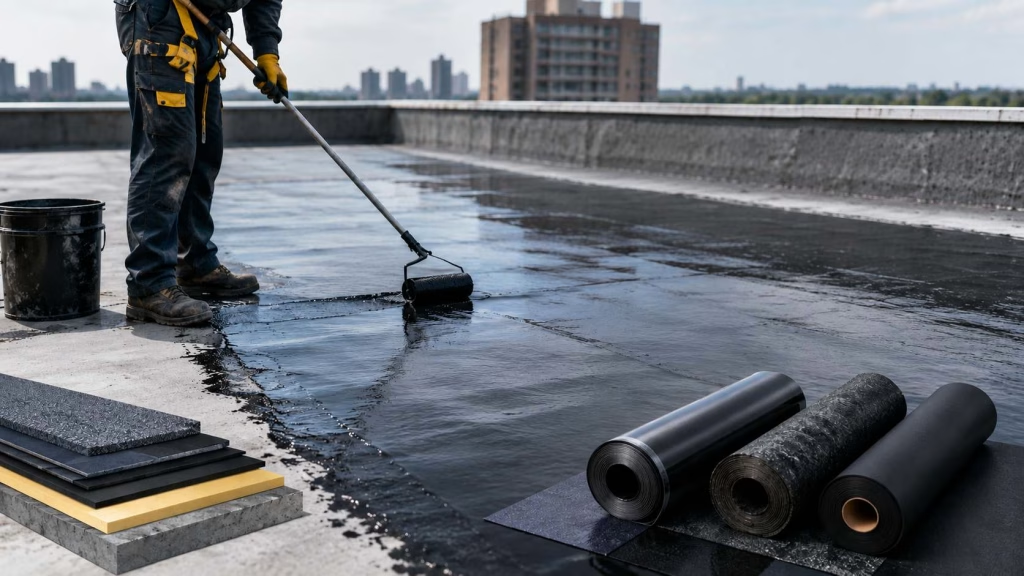
When it comes to waterproofing, one of today’s most widely preferred solutions is the polyurethane membrane system. Thanks to its liquid-applied form, seamless surface finish, and high elasticity, polyurethane membrane is used extensively in both new construction and renovation projects. In this article, we take a detailed look at the chemical structure and key properties of polyurethane membranes, the difference between single- and two-component systems, key technical performance criteria, application areas, and the correct application steps.
What Is a Polyurethane Membrane?
A polyurethane membrane is a waterproofing material formed by the reaction of polyol and isocyanate components, applied in liquid form and curing into an elastic, watertight layer. Applied by roller, brush, or airless spray, the membrane makes full contact with the surface, creating a single, seamless protective layer with no joints. This is a significant advantage over prefabricated rolled membranes, particularly on surfaces with complex geometry.
Chemical Structure and Key Properties
The performance of a polyurethane membrane depends largely on the ratio of polyol to isocyanate in its formulation, the additives used, and its curing mechanism. The main properties that define a polyurethane membrane include:
- High elasticity: Adapts to structural movement and vibration,
- Watertightness: Forms a fully waterproof film layer once cured,
- Water vapor permeability: Allows the surface to “breathe,” preventing moisture buildup,
- Chemical resistance: Withstands exposure to acids, bases, and salt water,
- Temperature tolerance: Typically maintains its physical properties between -30°C and +90°C.
Difference Between Single- and Two-Component PU Membrane Systems
Polyurethane membranes are generally classified into single-component and two-component systems, based on their application method and curing mechanism.
Single-Component Polyurethane Membranes
Single-component systems are supplied ready to use and cure through reaction with ambient moisture in the air. This makes application simple and eliminates the risk of mixing errors. However, curing time can vary depending on ambient humidity and temperature. Single-component membranes are generally preferred for small to medium-sized projects that require fast, practical application.
Two-Component (2K) Polyurethane Membranes
In two-component systems, components A and B are mixed in a specific ratio before application. This mixing triggers the chemical reaction, resulting in faster and more controlled curing. Two-component systems typically offer higher mechanical strength and shorter waiting times, making them the preferred choice for industrial projects with heavy traffic and for demanding detail points. Our Construction Category page provides further information on the polyurethane raw material systems used in this category, including solutions that combine the benefits of bitumen and polyurethane for demanding waterproofing applications.
Elongation, Crack-Bridging Capacity and UV Resistance
One of the most important technical values determining a polyurethane membrane’s performance is its elongation capacity. Membranes with high elongation values can adapt to micro-movements in the structure and cracks that may develop in the substrate over time, eliminating the risk of water leakage at these points. This property is known as crack-bridging capacity, and the ability to seal cracks of a certain width even at low temperatures is one of the most important indicators of a high-quality membrane.
Another critical criterion for membranes used in outdoor areas is UV resistance. In areas such as roofs and terraces that are continuously exposed to sunlight, membranes with low UV resistance can experience cracking, hardening, and discoloration over time. For this reason, aliphatic isocyanate-based systems in particular should be chosen for projects exposed to outdoor weather conditions.
Application Areas of Polyurethane Membranes
Because polyurethane membranes meet both structural and aesthetic requirements, they are widely used across many different building elements.
Roof Applications
Roofs are directly exposed to precipitation and UV radiation. Thanks to its seamless structure, polyurethane membrane significantly reduces the risk of water pooling on both sloped and flat roofs.
Balcony and Terrace Applications
Balconies and terraces are exposed to both foot traffic and standing water, and often feature detailed geometry. The ability of polyurethane membrane to form a seamless barrier at corners, drains, and railing bases offers a major advantage in these detail-intensive areas.
Water Tank Applications
In drinking water or utility water tanks, the membrane must remain safe under continuous water contact and exhibit hygienic properties. With the right formulation, polyurethane membrane provides long-term protection in these continuously wet environments.
Basement, Foundation and Retaining Wall Applications
In basement and foundation structures exposed to groundwater pressure, polyurethane membrane forms an effective protective layer thanks to its high adhesion strength and watertightness.
For projects looking to combine thermal insulation with waterproofing performance in a single system, you can also explore our Polyurethane Spray Foam (SPF) Systems page.
Step-by-Step Application Guide and Key Points to Consider
For a polyurethane membrane to provide durable and effective waterproofing, the following application steps must be followed correctly:
- Surface preparation: Dust, oil, old coating residue, and loose particles must be removed from the surface using mechanical methods.
- Moisture control: The surface must be confirmed dry; applying membrane to a damp surface causes adhesion problems.
- Primer application: A primer suitable for the substrate type must be selected and applied evenly; application without a primer should never be carried out.
- Reinforcing detail points: Critical points such as corners, drains, and pipe penetrations require an additional reinforcement layer.
- Coating thickness: To achieve the dry film thickness specified by the manufacturer, two coats are generally applied; a third coat can be added if necessary.
- Allowing proper curing time: After application, the surface must be protected from water and foot traffic for the specified curing period.
Common Mistakes
The most frequently observed mistakes on site include insufficient coating thickness, inadequate reinforcement at detail points, applying membrane to a damp surface, and loading the surface before the curing period has been completed. These mistakes can significantly reduce membrane performance and lead to water leaks over time.
Conclusion
Thanks to its seamless structure, high elasticity, and versatile application areas, polyurethane membrane remains one of the most essential solutions in modern waterproofing. Correctly evaluating technical criteria such as single- versus two-component system selection, elongation capacity, and UV resistance directly impacts a project’s long-term performance. Choosing the right product and ensuring professional application across roofs, balconies, terraces, water tanks, and foundations extends a building’s service life while preventing costly water damage.
To determine the most suitable polyurethane membrane solution for your project and to get technical support, feel free to get in touch with us.